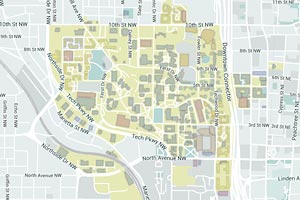
Julia Kubanek, professor of biological sciences and chemistry and biochemistry, and associate dean for Research in Georgia Tech’s College of Sciences, has been named vice president for Interdisciplinary Research, effective July 1.
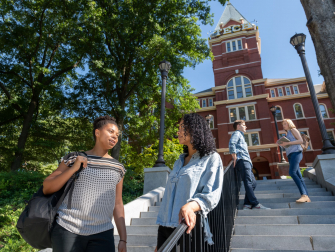
Seven faculty members from five schools in the College of Sciences are among those honored with annual Spring awards from Georgia Tech's Center for Teaching and Learning that celebrate innovation in teaching.
Instead of grades from faculty, it's evaluations from the students for the Class of 1934 Awards from the Center for Teaching and Learning. 40 College of Sciences faculty are among those who are receiving honors and accolades.
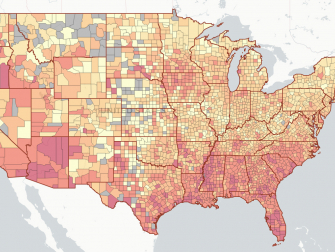
,

Professors in the School of Biological Sciences and the School of Physics capture top annual honors from the Georgia Tech chapter of Sigma Xi scientific research society.
,
,
,
,
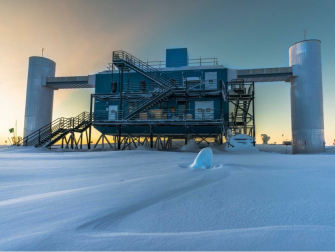
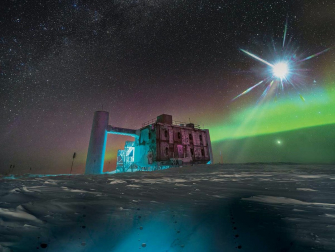
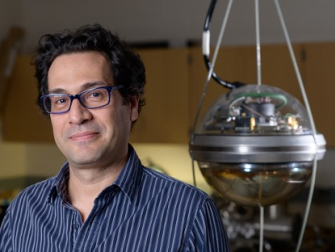
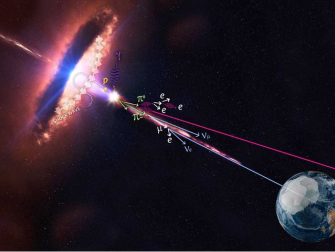
School of Physics professor Ignacio Taboada officially begins his term as the next spokesperson for the IceCube Neutrino Observatory — an NSF-funded South Pole facility searching deep space for sources of high-energy neutrinos — on May 1, 2021. Taboada recently joined outgoing spokesperson Darren Grant for a Q&A about IceCube’s progress and plans.
,
,
,
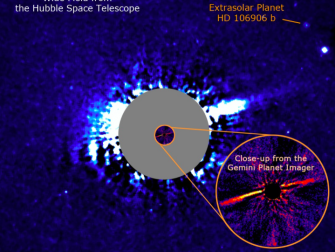
Disks of debris that surround stars, and the cosmic bodies that crash into them, may hold the key to unlocking the secrets of how planetary systems formed. A trio of Georgia Tech School of Physics researchers wins a NASA grant to look deeper into "stellar flybys."
,
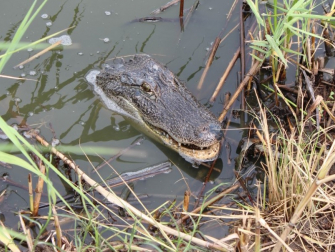
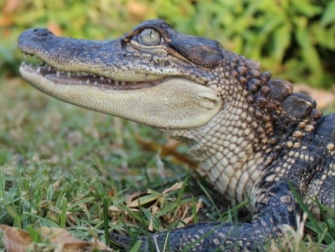
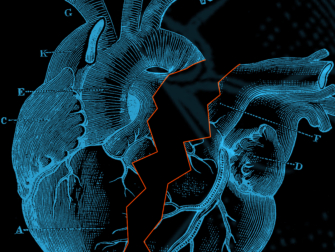
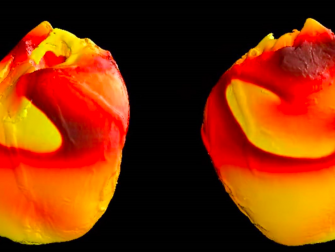
A new study reported by Georgia Tech researchers finds that an alligator heart will not fibrillate when exposed to drastic temperature changes, unlike a rabbit (mammal) heart, which is critically vulnerable to heart trauma under those conditions. The research could help better understand how the heart works and what can cause a deadly arrhythmia – which fundamentally happens when the heart doesn’t pump blood correctly any longer.
,

,
,
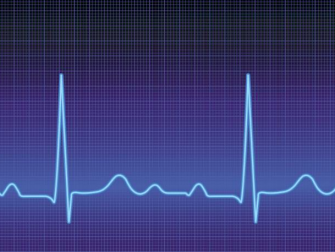
He's a physicist, but Flavio Fenton has long been fascinated by the heart, and the electrical signals that keep it pumping. Fenton recounts how he pivoted from particle physics to researching cardiac rhythms, along the way helping to provide innovations in heart sound studies.
,
,
,

,
,
,
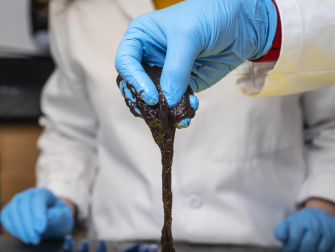
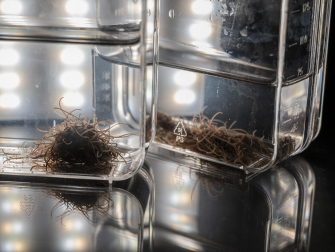
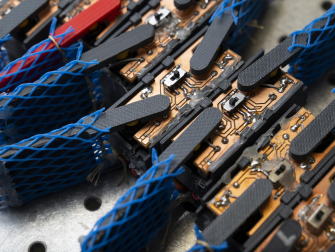
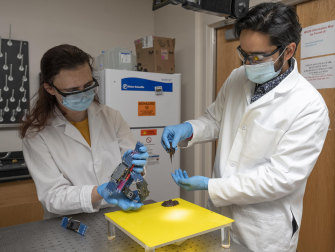
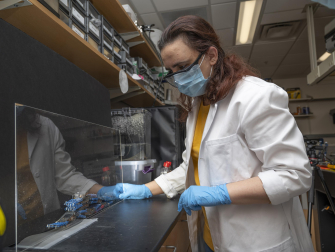
Individually, California blackworms live an unremarkable life eating microorganisms in ponds and serving as tropical fish food for aquarium enthusiasts. But together, tens, hundreds, or thousands of the centimeter-long creatures can collaborate to form a “worm blob,” a shape-shifting living liquid that collectively protects its members from drying out and helps them escape threats such as excessive heat.
,
,
,

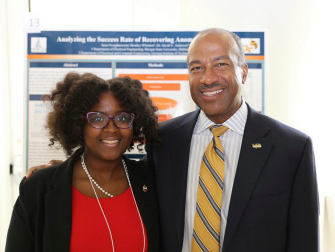
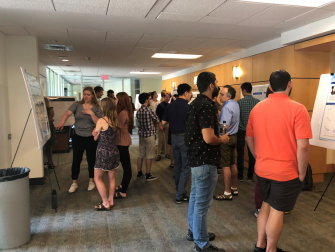
On and off Georgia Tech’s campus, there are countless opportunities for undergraduate students to gain practical skills, connections with industry leaders, and hands-on experience through research and internship opportunities.
,
,

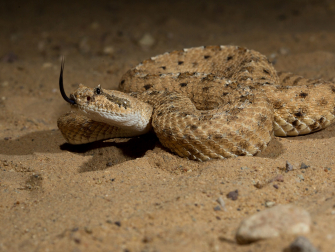
The mesmerizing flow of a sidewinder moving obliquely across desert sands has captivated biologists for centuries and has been variously studied over the years, but questions remained about how the snakes produce their unique motion. Sidewinders are pit vipers, specifically rattlesnakes, native to the deserts of the southwestern United States and adjacent Mexico.

,

,

In the Georgia Tech community, creative friction between collaborators leads to better solutions. Greg Gibson and Joshua Weitz join Tamara Bogdanović and Laura Cadonati to share their stories of teamwork and partnership with Georgia Tech Alumni Magazine.
- ‹ previous
- 19 of 24
- next ›